







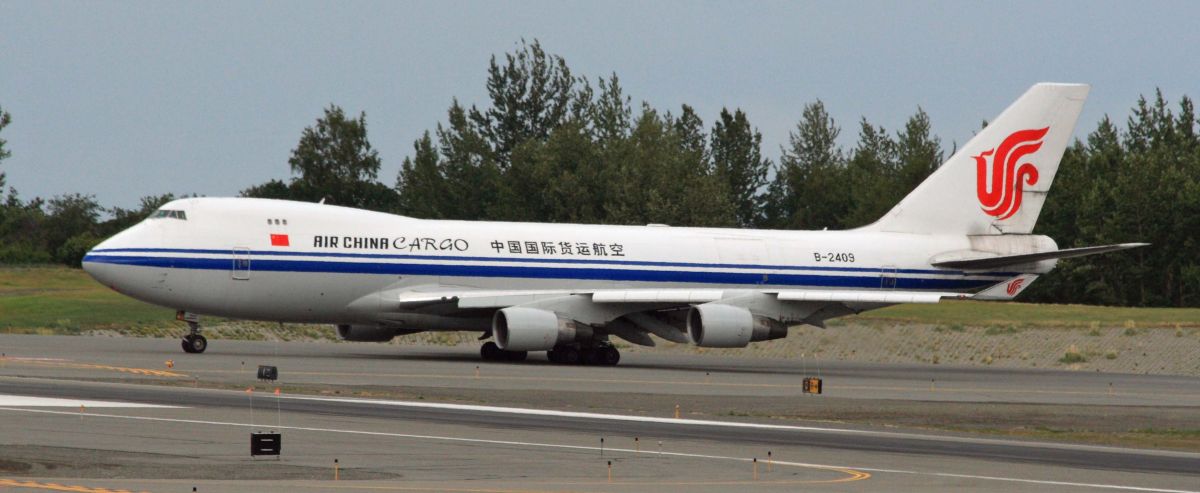
The boom in ultra-cheap online shopping is putting pressure on the global air cargo system and creating an environmental impact, says the Chartered Institute of Logistics and Transport UK (CILT UK).
With air freight among the most carbon-intensive forms of transport, the research body questions whether consumers be paying more to help offset the environmental cost of low-value deliveries?
CILT says that millions of low-cost items ordered from overseas – often costing just a few pounds or even pennies – are now being flown as individual parcels thousands of miles directly to customers instead of being shipped in bulk, a major shift in how goods move around the world. Air cargo networks, which were designed to carry large shipments, are now dealing with huge numbers of small packages which means more sorting and handling, it adds.
Much of this growth is being driven by Chinese e-commerce platforms, which ship products directly from factories to customers in the UK and across Europe.
Chair of the Aviation Policy Group at CILT (UK), Chris Tarry, said: “We are seeing a fundamental shift in the nature of air cargo. What used to be about large shipments is now increasingly about millions of small parcels. This puts extra pressure on the system, as volumes rise but capacity and infrastructure haven’t changed in the same way.”
The surge in online shopping is also increasing demand for limited cargo space on aircraft, especially on busy international routes.
CILT (UK) says the trend is likely to continue as shoppers demand fast delivery at low prices – but warns this comes with growing environmental consequences. Flying large volumes of low-value goods around the world risks undermining wider aviation sustainability goals and efforts to reach net zero.
It questions whether the true cost of ultra-cheap online shopping is being fully reflected and whether additional charges, taxes or policy measures should be introduced to better account for environmental damage and support sustainability targets.
To reduce the strain, the air cargo industry could invest in more advanced sorting and handling technology at airports, expand cargo capacity and infrastructure, encourage greater use of slower, more efficient transport like sea freight for low-value goods.
Tarry added: “There is also a wider sustainability question. Moving very low-value goods by air at scale has an environmental cost, and it is right that the industry and policymakers consider whether current models fully reflect that. If we are serious about net zero, these trends cannot be ignored. The system can adapt, but it will require better planning, investment and a rethink of how goods are moved globally. Without that, the pressure we’re seeing today is only likely to increase.”